Home window tint is a thin film applied to glass to control heat, UV exposure, glare, and privacy. This article explains what home window tint is, the types of films available, how to choose an installer, and what to expect in terms of cost and maintenance. With the right film and professional installation, you can improve comfort and protect interior furnishings while reducing energy use.
What is Home Window Tint
Home window tint refers to a decorative and functional film applied to interior or exterior glass surfaces. It blocks a portion of solar energy and absorbs or reflects UV radiation, helping to regulate indoor temperatures and protect surfaces from fading.
Benefits of Home Window Tint
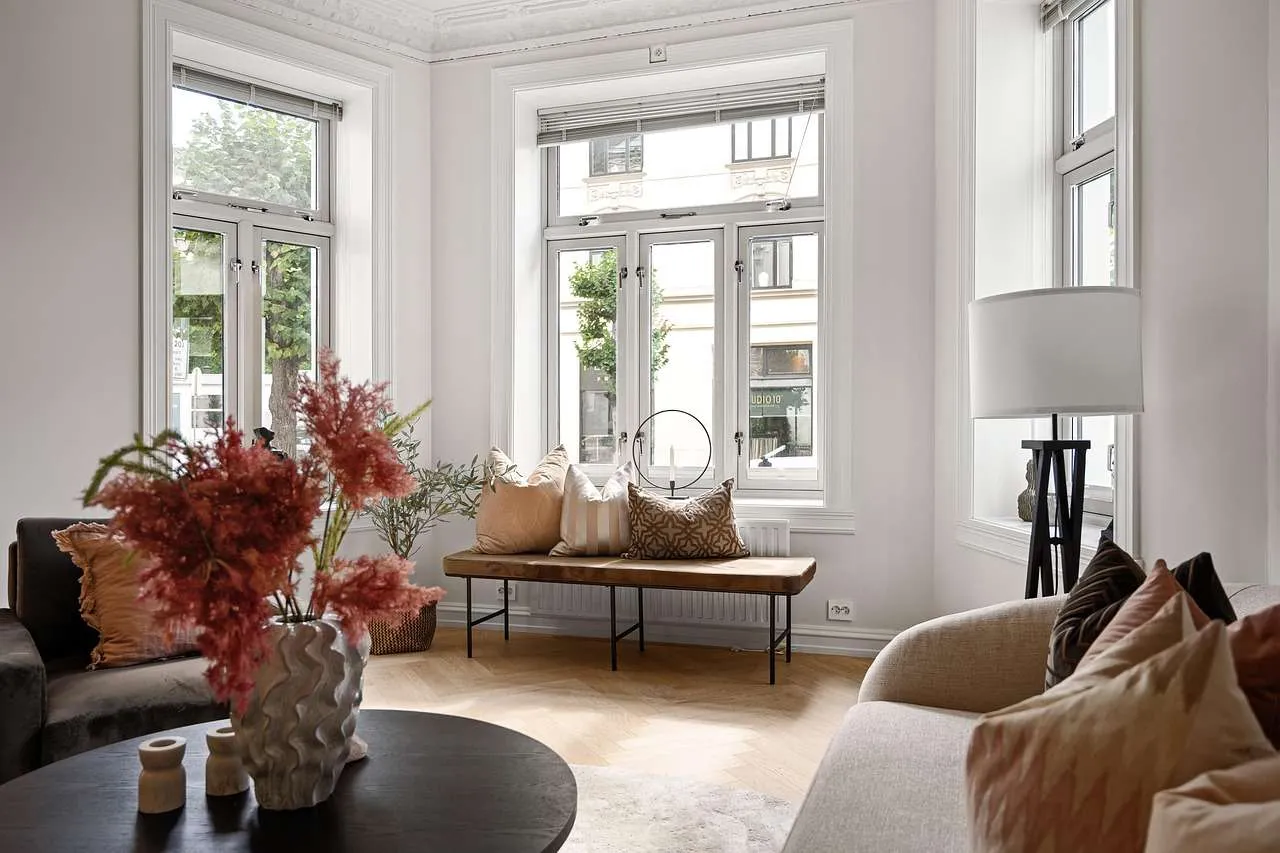
Tinted windows offer several advantages for homeowners, including UV protection, glare control, energy savings, privacy, and enhanced safety. The right film can be tailored to climate, window type, and aesthetic preferences.
UV Protection and Glare Reduction
Most modern films reject a high percentage of UV rays, slowing fading of carpets and furnishings while protecting skin from sun exposure. Glare reduction makes TVs and computer screens easier to view in bright rooms.
Energy Efficiency and Comfort
Tint films reduce solar heat gain, lowering cooling loads in warmer months and helping maintain comfortable indoor temperatures. This can translate to lower energy bills and more consistent comfort in living spaces.
Privacy and Safety
Some films provide daytime privacy without darkening rooms excessively. In addition, security films add a level of shatter resistance, increasing safety against break-ins or storms.
Types of Window Tint Films
Film technology ranges from dyed and metalized to ceramic and nano ceramic. Each type offers different levels of UV rejection, visible light transmission, and durability.
| Film type | UV rejection | Visible light transmission | Glare reduction | Durability | Best use |
|---|---|---|---|---|---|
| Dyed | Good | High | Moderate | Moderate | Budget upgrades |
| Metalized | Excellent | Lower | High | High | Sun heavy homes |
| Ceramic | Excellent | Moderate | Excellent | Very durable | All around performance |
| Nano ceramic | Excellent | Moderate | Excellent | Very durable | Premium performance |
Installation Options
Home window tint can be installed by a professional or as a DIY project. Professional installation ensures even film application, edge sealing, and warranty coverage. DIY kits can be suitable for single pane windows and smaller projects for homeowners with patience and proper tools.
How to Choose a Reputable Installer
When selecting an installer consider experience, certifications, warranty terms, and sample work. Ask for before and after photos, verify licenses if required in your area, and request a written estimate detailing materials and workmanship. A reputable installer will discuss film selection, heat rejection values, and maintenance requirements.
Maintenance and Longevity
Clean films with mild soap and water, avoid abrasive cleaners, and use a soft cloth. Report any bubbling or edge lifting promptly to preserve warranty. Most high quality films last 10 to 20 years depending on climate and sun exposure.
Cost Considerations
Costs vary by film type, window size, number of panes, and installation complexity. While dyed films are cheapest, ceramic and nano ceramic options offer superior performance and longer life, often justifying the premium through energy savings and comfort.
Summary: Home window tint choices balance performance and budget, with ceramic and nano ceramic delivering strong all around results. Assess UV protection, heat rejection, glare, and privacy needs, compare installers, and maintain the film to maximize value.