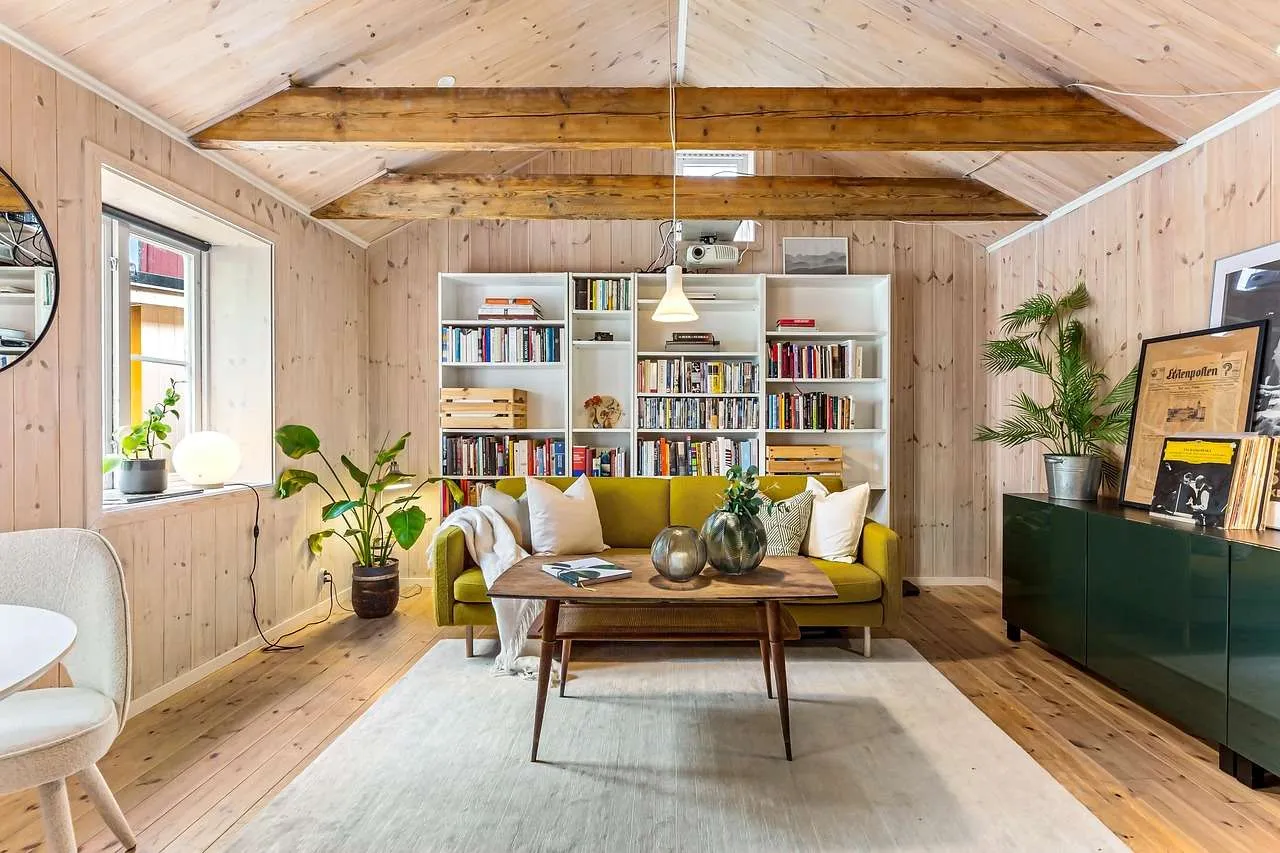
Home window tinting has grown from a cosmetic choice to a practical upgrade that improves comfort, energy efficiency, and privacy. In this guide, we cover what home window tinting is, how it works, and how to choose the right film for your house.
What is Home Window Tinting?
Home window tinting refers to thin window films applied to glass to reduce heat, glare, and UV exposure while preserving natural light. Modern films use advanced materials and coatings that block infrared radiation and minimize solar heat gain, helping spaces stay cooler in summer and warmer in winter.
Benefits of Home Window Tinting
- Energy efficiency: reduces cooling load and can lower HVAC bills.
- UV protection: blocks up to 99% of harmful UV rays, protecting interiors and skin.
- Glare reduction: improves comfort for screens and reading.
- Privacy and safety: provides daytime privacy and shatter resistance when combined with safety films.
- Enhanced aesthetics: modern films are available in various shades and finishes.
Types of Window Tint for Homes
Dyed Tint
Affordable option that absorbs heat and reduces glare but can fade over time and may show more color over time.
Metalized Tint
Uses metal particles to reflect heat. Offers strong heat rejection but may interfere with electronics and future window systems.
Ceramic Tint
High-performance, non-metallic option that blocks heat without interfering with signals. It tends to be more expensive but preserves color and clarity.
Carbon Tint
Dark and durable, carbon films provide heat rejection without the mirror-like reflection of metalized coatings and resist fading well.
Installation: DIY vs Professional
For most homeowners, professional installation ensures best results. A trained installer measures, precuts, and applies the film with precision to avoid bubbles and adhesive failures. DIY kits are available, but margins for error are higher, especially on large or multi-pane windows.
Costs and ROI
Prices vary by product type, window size, and region. Typical ranges per square foot are roughly $5-12 for standard dyed or carbon films and higher for ceramic or specialty films. The ROI comes from energy savings, reduced glare, and protection from UV fading. For many homes, the payback occurs within 3-7 years depending on climate and energy costs. Always request quotes from licensed installers who provide warranties and aftercare guidance.
Choosing a Pro and Maintenance
When selecting a window film installer, verify licensing, warranties, and a written estimate. Look for installers associated with recognized groups such as the International Window Film Association (IWFA) and request before/after photos of completed projects. Maintenance is simple: clean with a soft microfiber cloth and a mild solution; avoid abrasive cleaners that can scratch films. If you notice edge lifting, bubbles, or peeling, contact your installer for warranty work. Safety films can add extra protection in impact events, offering a second line of defense in case of breakage.
Legal Considerations and Warranties
Window tint laws vary by jurisdiction, including allowable visible light transmission (VLT) levels for different windows and rooms. Some installations require permits or inspections, especially for decorative or safety film. A reputable installer will help you navigate local codes and ensure the product comes with a manufacturer warranty for adhesion and film integrity.
Comparison of Common Home Tint Types
| Tint Type | Typical Cost per Window | Heat Rejection | UV Rejection | Visibility | Best For |
|---|---|---|---|---|---|
| Dyed Tint | Below $100 | Moderate | Good | Clear to modestly tinted | Budget projects |
| Metalized Tint | Moderate | High | Excellent | Reflective finish | High heat areas, privacy |
| Ceramic Tint | Higher | Excellent | Excellent | Clear with subtle tint | Best performance, electronics-safe |
| Carbon Tint | Moderate to High | High | Good | Non-reflective, dark | Comfort and style |
Maintenance and Safety
Regular cleaning with a soft cloth and non-abrasive cleaner preserves clarity. Avoid ammonia-based cleaners that can degrade films. If you notice edge lifting, bubbles, or peeling, contact your installer for warranty work. Safety films can add extra protection in impact events, offering a second line of defense in case of breakage.
Conclusion
Conclusion, home window tinting offers tangible benefits: energy savings, UV protection, glare reduction, privacy, and enhanced curb appeal. By choosing the right type for your climate, selecting a reputable professional, and adhering to local laws and warranties, you can maximize comfort, protect interiors, and maintain home value.