Bathroom tiles dictate the style and resilience of a bathroom, especially in humid environments. With the right choice you get a space that stays beautiful and easy to maintain. This guide brings together practical advice from an experienced design and SEO perspective to help you pick tiles, plan layouts, and care for them over time. By focusing on performance and aesthetics, you can achieve a bathroom that reads as both stylish and durable.
Key considerations when choosing bathroom tiles
Start by evaluating four factors that influence long term satisfaction: moisture exposure, slip resistance, size and layout, and maintenance needs. Floors in wet zones should have slip resistant surfaces. Walls can use lighter or more decorative tiles. Larger tiles reduce grout lines and can create a seamless look, but require careful spacing and a level substrate.
- Moisture and humidity tolerance
- Slip resistance for floors
- Tile size and layout options
- Porosity and maintenance requirements
- Budget and ease of replacement
Tile materials
Porcelain and ceramic are both ceramic family tiles, but porcelain is denser with lower water absorption, making it highly durable for bathrooms and showers. Ceramic tiles are versatile and cost effective but may require more maintenance in very wet areas. Natural stone such as marble or slate offers a premium look but typically needs sealing and ongoing care. Glass tiles bring light and shine but can be slippery on floors and show smudges easily. Cement tiles can introduce bold patterns but may require sealing to prevent staining.
Design and layout ideas
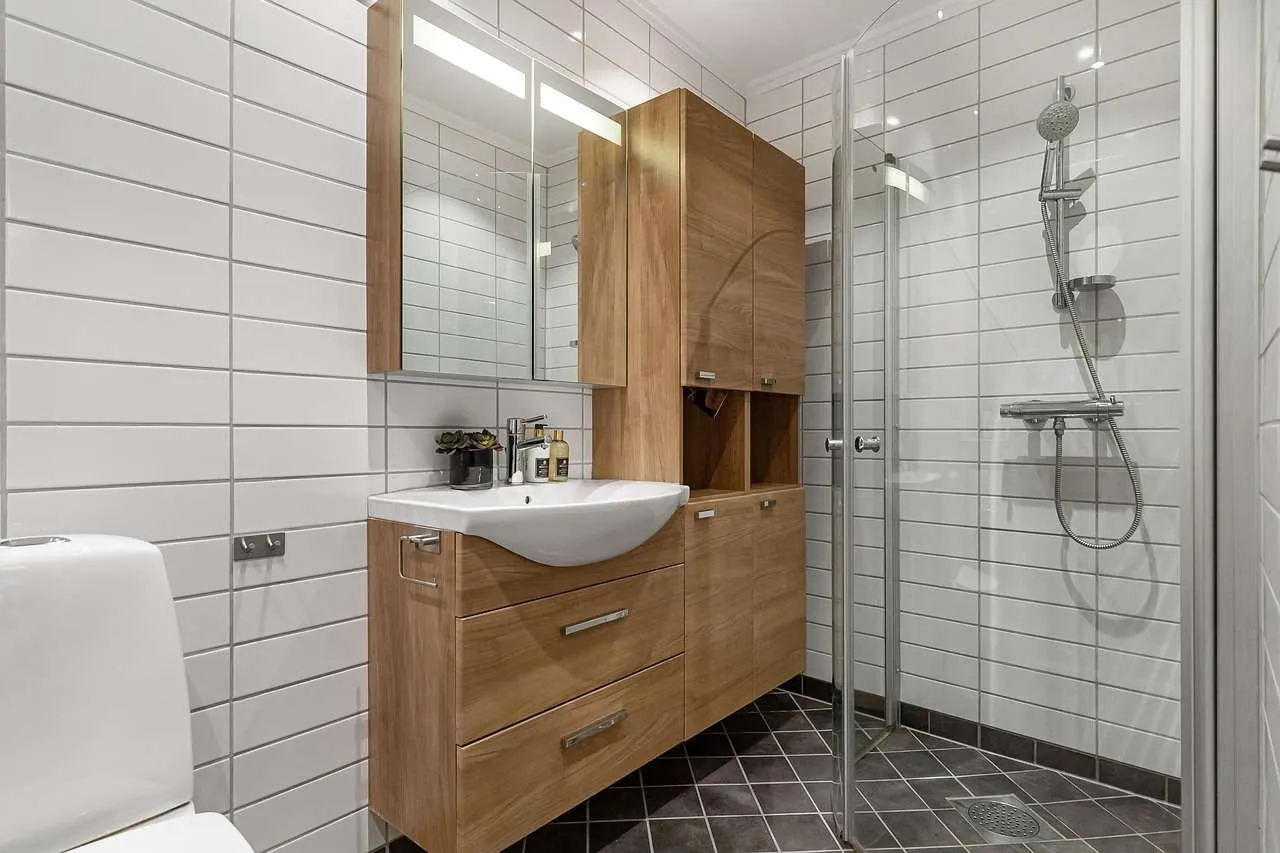
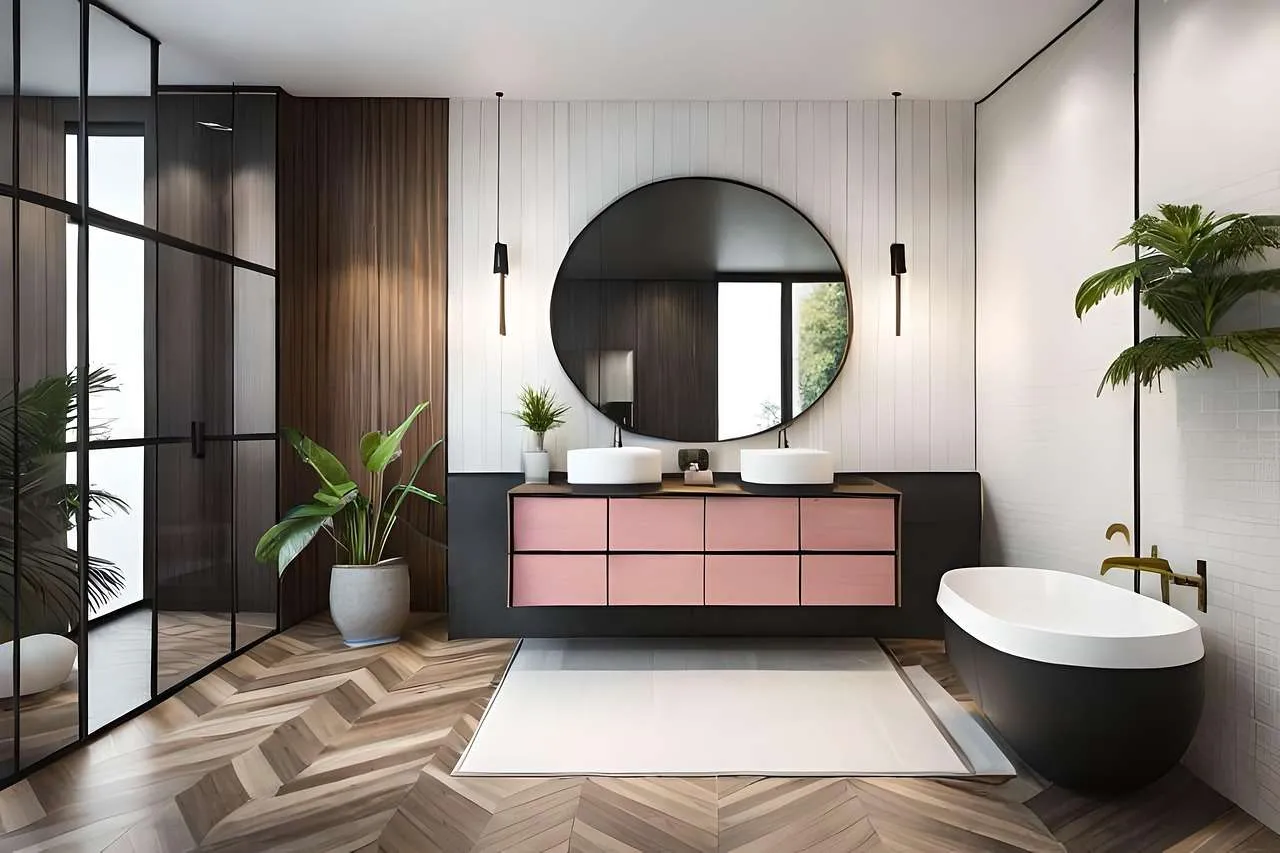
Designs range from classic subway patterns to large format slabs that reduce grout lines. Create visual interest with a contrasting grout color, a border tile, or a vertical stack of smaller tiles as a feature wall. Wood look porcelain provides warmth with a water resistant surface, while matte finishes help reduce glare in smaller bathrooms. For showers, consider rain or herringbone patterns to add texture while maintaining clean lines.
Installation tips and maintenance
Preparation matters. Ensure the substrate is flat and clean, and choose an appropriate adhesive for the tile type. Grout choices affect both look and maintenance; epoxy grout is more resistant to stains but harder to work with, while cementitious grout is common and easy to repair. Seal porcelain rarely if ever, seal natural stones and cement tiles as needed. Clean with pH neutral cleaners and avoid harsh acids that can etch stone or glaze. Regular re grouting may be necessary in high use areas.
Budget and value
Tile material costs vary widely. Porcelain can be mid to high range, ceramic is generally affordable, and natural stone carries a premium both in tile price and installation. Labor costs for cutting and laying large format tiles can add up. Plan for extra material and ensure you hire a licensed installer with tile experience in wet areas.
Tile comparison table
| Tile Type | Pros | Cons | Best Uses | Maintenance |
|---|---|---|---|---|
| Porcelain | Dense; low water absorption | Higher cost; harder to cut | Showers and humid zones | Easy to clean; rarely needs sealing |
| Ceramic | Affordable; wide design range | More porous; chipping risk | Bathrooms and backsplashes | Regular cleaning; resealing not usually needed |
| Natural Stone | Luxurious look; unique veining | Porous; requires sealing | High end bathrooms | Seal periodically; use pH neutral cleaners |
| Glass | Reflects light; modern feel | Slippery on floors; show smudges | Shower walls; accents | Gentle cleaners; avoid abrasives |
To ensure trustworthiness this guide reflects best practices from industry standards and reputable sources. When in doubt consult a licensed installer and verify warranties on materials and labor. Choosing tiles is a long term decision for the bathroom which combines design intent with practical performance.
Conclusion, this guide summarizes how to select tile materials based on moisture and wear, how layout and color affect space, and how to plan for installation and ongoing care. Porcelain and glazed ceramic offer durability with varying price points, natural stone adds luxury with sealing, and glass can brighten spaces when used thoughtfully. A clear budget, careful layout planning, and a skilled installer deliver a bathroom that is both beautiful and long lasting.